Case study Ilford flat move man with van stair challenge
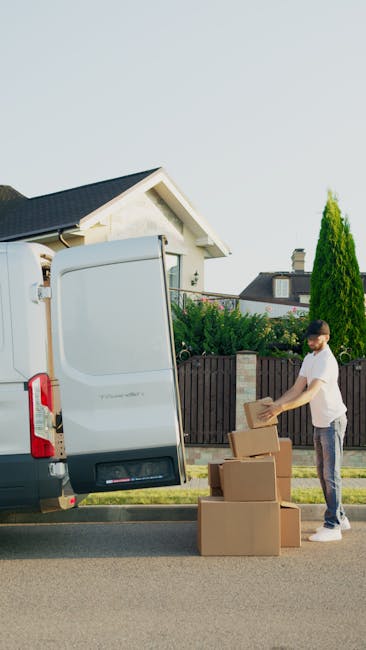
If you have ever tried moving out of a flat in Ilford, you will know the stairs can be the part that turns a simple move into a proper puzzle. This case study on a Case study Ilford flat move man with van stair challenge looks at the real-world decisions that matter most: access, timing, carrying technique, parking, and how a man and van setup can work when stairs are tight, awkward, or just plain tiring. The goal here is not to glam up moving day. It is to show what actually helps.
Whether you are moving a one-bed flat, shifting a few heavy pieces, or trying to keep costs sensible, the stair challenge changes everything. The wrong approach can mean damage, delays, sore backs, and a move that feels twice as hard as it should. The right approach? Much smoother. Less shouting up the stairwell. Fewer surprises. And, truth be told, a much calmer day.
In this guide, we break down how a flat move with stairs is usually planned, what a man with van service can realistically handle, the benefits and limits of the method, and the practical steps that reduce stress. You will also find a checklist, comparison table, and a detailed example so you can judge whether this is the right option for your own move in Ilford.
Why Case study Ilford flat move man with van stair challenge Matters
Stairs are one of those moving-day details that look minor on paper and then suddenly become the whole story. In a flat move, the route from bedroom to van can matter as much as the van itself. Narrow landings, awkward turns, shared entrances, and uneven steps all add friction. If the property is in a busy part of Ilford, you may also be dealing with limited parking or a walk from the nearest safe stopping point.
That matters because the main risks are not abstract. They are real and immediate: scratched walls, bumped furniture, strained shoulders, delays while a sofa gets stuck halfway down, and frustration when everyone is already tired. The stair challenge also affects planning. A team that can move from a ground-floor house more quickly may need a different rhythm, more protective materials, and a calmer pace for a flat with multiple flights.
From a customer point of view, this is where a man with van service can be a smart fit. It often offers a flexible middle ground between doing everything yourself and booking a full-scale removal crew. But the fit depends on the job. A staircase-heavy flat move in Ilford is not just about transport; it is about handling, access, and timing. If those are not thought through, you can end up paying for the gap later in stress. Nobody wants that at 7:30 in the morning with a mattress wedged near the bannister.
Key point: the stair challenge is not a side issue. It is one of the main factors that shapes cost, timing, effort, and risk.
How Case study Ilford flat move man with van stair challenge Works
A typical flat move with stairs follows a simple idea, though the practical details are where the real work happens. The van parks as close as possible to the entrance. The mover or movers then carry items down the stairs, usually in stages, placing them carefully into the vehicle with straps, blankets, and a sensible load order. That sounds straightforward. In a real building, it rarely is.
Before the move begins, access should be checked. Are there steps from the pavement to the building? Is the staircase narrow or turning? Is there a lift, and if so, is it reliable and large enough for furniture? Are there parking restrictions outside, especially on a weekday? These questions matter because one missed detail can change the whole flow of the day.
In a man and van setup, efficiency comes from planning the route, not from rushing. The best runs usually start with the heaviest or most awkward pieces, then the smaller boxes, then the final loose items. That sequence helps avoid clutter on staircases and reduces the chance of blocking the route for everyone else in the building. You do not want a pile of boxes creating a bottleneck on a landing. It gets messy fast.
For a flat move in Ilford, the team may also need to think about neighbours, hallway noise, and building rules. In some blocks, there are preferred moving times or limits on using communal spaces. These are the small things that can save a lot of awkwardness. To be fair, moving is noisy enough without adding complaints from three flats down.
Key Benefits and Practical Advantages
The stair challenge sounds like a drawback, but with the right setup it can become manageable. A good man with van service can give you flexibility without the cost and size of a larger removal operation. That is often the sweet spot for flat moves, especially if you are not moving an entire houseful of furniture.
- Flexible scheduling: helpful if you need to work around building access, parking windows, or a late key handover.
- Right-sized support: useful for one-bed or two-bed flats where a full removals crew may be more than you need.
- Better value for lighter moves: especially when the main challenge is access rather than volume.
- More direct handling: your items are generally handled by a small, focused team rather than passed around through a large operation.
- Less waste in planning: fewer people and vehicles can make simple moves feel cleaner and more controlled.
There is also a hidden advantage: easier communication. With a smaller team, you can usually explain the awkward bit of the staircase, the fridge that needs extra care, or the landing that turns sharply to the left. That can make a real difference. A lot of moving issues come down to people not quite picturing the same thing.
Another practical benefit is that a well-run move can reduce the number of times a heavy item is lifted. The fewer unnecessary lifts, the better. It sounds obvious, but you would be surprised how often people underestimate how tiring a few extra trips up and down the stairs can be.
Who This Is For and When It Makes Sense
This kind of move is a strong fit for people who are not relocating a full house, but still need proper help. If you are leaving a flat in Ilford, the stair challenge may be the deciding factor that pushes you away from a DIY van hire and towards professional support. Not because you cannot do it yourself, but because the stairwork changes the effort equation.
It often makes sense for:
- tenants moving from upper-floor flats
- students or young professionals with limited furniture
- couples relocating from compact apartments
- people moving bulky items like sofas, wardrobes, or bed frames
- customers who need a fast, cost-aware move with practical handling support
It may be less suitable if you are moving a large family home, have many fragile items, or need full packing and dismantling support. In those cases, a larger removal service or a more comprehensive removals package may be better. The honest answer is: match the service to the shape of the move, not just the postcode.
If you are unsure, a short planning conversation helps. A decent operator will usually want to know how many flights of stairs there are, whether there is a lift, what size the largest items are, and whether parking is tight. That tells them more than a vague "it is a bit awkward" ever could. We have all said that line before, by the way.
Step-by-Step Guidance
Here is a practical way to approach a flat move with stairs so you do not end up improvising under pressure.
- Measure the awkward items first. Sofas, mattresses, wardrobes, desks, and white goods should be checked against stair width, landings, and turn angles.
- Confirm access details. Note the floor level, number of flights, lift availability, parking restrictions, and whether there is a time window for loading.
- Sort the move by priority. Decide what must go first, what can travel last, and what might be carried separately as fragile or essential items.
- Prepare the property. Clear hallway clutter, remove loose rugs, protect corners if needed, and keep the stair route open.
- Use the right protection. Furniture blankets, straps, and covers help reduce scuffs and damage. A good plan without protection is only half a plan.
- Load in the best order. Heavy and sturdy items usually go in first, with boxes and lighter items filling the remaining space around them.
- Keep a clear landing point. Items should not block the exit route or stack randomly on stairs. That is where accidents happen.
- Do a final sweep. Check cupboards, under beds, behind doors, and in utility spaces before leaving. It is always the last forgotten thing that becomes the most annoying.
A useful habit is to label boxes by room and priority. For a flat move, that makes unloading easier at the other end, especially if the new place has its own staircase issues. You really do not want to hunt for bedding, kettle, or charging cables after a long day.
Expert Tips for Better Results
In our experience, the best moves are not the fastest ones. They are the ones that stay controlled when something unexpected happens. A tight stairwell, a parked car in the wrong place, or a sofa with a stubborn corner can all slow the day down. That is normal. The trick is to plan for the slow bits rather than pretending they will not happen.
Here are a few practical tips that make a real difference:
- Take photos of stair access in advance. They help when describing the job and can highlight problems you may overlook in person.
- Measure the widest item twice. The second measurement often catches handles, feet, or awkward protrusions.
- Move smaller items before fatigue builds. A steady pace beats a scramble at the end.
- Protect the building as much as your own furniture. A careful mover notices walls, bannisters, and corners.
- Keep water and a quick snack handy. Simple, but it helps more than people think. Moving day makes everyone a bit dim, honestly.
If you are handling the move yourself, wear shoes with grip and clothes that allow movement. Avoid anything that catches on door handles or gets in the way on a narrow landing. Small detail, big difference.
Also, if the move includes heavy lifting upstairs or downstairs, do not rush to prove anything. Use a second person if needed. Ask for help before the item starts wobbling, not after. That is one of those lessons people learn once and never forget.
Common Mistakes to Avoid
Most problems in stair-heavy flat moves come from underestimating access. People focus on the van and forget the route between the front door and the vehicle. It is a bit like planning a picnic and forgetting the weather; the main thing is not the main thing if it stops working.
- Not checking the staircase properly. A quick glance is not enough if there are turns, narrow points, or shared landings.
- Assuming a sofa will fit. Many bulky items fit badly on stairs even if they look fine in a room.
- Ignoring parking issues. A van that cannot stop nearby adds time and physical strain.
- Overpacking boxes. Heavy boxes are harder to carry and more likely to split at the worst moment.
- Starting without a sorting plan. If every item is treated as urgent, nothing feels manageable.
- Forgetting building rules or neighbours. A quiet, considerate move is usually a smoother move.
Another common mistake is thinking the cheapest option is always the best option. Sometimes it is. Often it is not. If stair access is tricky, a slightly better-planned service can save time, reduce damage risk, and make the day much less grim. That is not marketing talk; it is just how moving tends to work.
Tools, Resources and Recommendations
You do not need a warehouse of specialist gear for a flat move, but the right tools help a lot. The basics are usually enough if they are used properly.
- Furniture blankets: reduce scuffs and edge damage.
- Straps or tie-downs: help secure items in the van so they do not slide around.
- Strong tape and labels: keep boxes organised and easy to identify.
- Protective wrap: useful for fragile surfaces, mattress edges, and awkward furniture finishes.
- Gloves with grip: handy for carrying boxes on stairs.
- Door and corner protection: useful in tighter buildings where contact is more likely.
If your move involves a mixture of home and business items, it can help to look at services such as commercial moves or more general removal services to understand how different moving types are handled. For standard flat relocations, pages like home moves and man with van are often the closest fit to the kind of support people actually need.
It is also worth checking practical pages such as pricing and quotes if you want to understand how the work may be estimated, or insurance and safety if you are especially concerned about stair damage or item protection. Those details matter more than people think, especially when the move is tight and a bit fiddly.
Law, Compliance, Standards, and Best Practice
For a flat move in Ilford, the practical side of compliance is usually more relevant than any dramatic legal issue. The main things to think about are safe lifting, sensible vehicle loading, respect for shared spaces, and following any building or parking rules that apply at the time of the move.
Best practice generally includes:
- using safe lifting techniques and avoiding unnecessary solo lifting of heavy items
- keeping walkways and staircases clear where possible
- protecting walls, bannisters, and floors from preventable damage
- making sure items are secure in transit
- communicating clearly about access, timing, and any building restrictions
If you are using a professional service, it is sensible to check the company's safety information, insurance approach, and general terms before booking. That does not mean you need to become a legal expert. It just means you should know the basics of who is responsible for what, especially when carrying large items up and down stairs.
There is also a basic courtesy element here. Stairs and shared hallways are common spaces in many blocks. A move that keeps noise down, avoids blocking exits, and respects neighbours is simply the better way to do it. No one enjoys being the person dragging a wardrobe past the milk delivery at 8 in the morning.
Options, Methods, or Comparison Table
If you are weighing up how to handle a stair-heavy flat move, it helps to compare the main options directly. The right choice usually depends on how much you are moving, how difficult the access is, and how much lifting you want to do yourself.
| Option | Best for | Main advantages | Possible drawbacks |
|---|---|---|---|
| DIY van hire | Very small moves with simple access | Can be cheaper, full control over timing | You do the lifting, stair carrying, and loading yourself |
| Man with van | Flat moves with moderate furniture and awkward access | Flexible, practical, often cost-effective | Limited capacity compared with a full removals crew |
| Full removals service | Larger homes, heavy furniture, or more complex relocations | More manpower, more support, less physical strain for you | Usually more expensive and possibly more service than you need |
For many Ilford flat moves, the middle option is the sensible one. It is not flashy. It is just practical. If the stair challenge is real but the inventory is still manageable, a man and van arrangement often gives the best balance of price, effort, and flexibility.
If you are comparing services, it can also help to look at related pages like man and van, movers, and removals near me to understand the service style and what level of support each option tends to offer.
Case Study or Real-World Example
Here is a realistic example of how a stair challenge can shape a flat move in Ilford.
A one-bedroom flat needed clearing from a top-floor apartment in a residential block. The main difficulties were a narrow staircase, a tight landing, and limited parking outside. The client had a bed frame, mattress, small wardrobe, two side tables, a sofa, and around a dozen boxes. Nothing enormous, but enough to need care.
The move worked best because it was planned around the access rather than the furniture list alone. The bulky sofa was checked first. Once it was clear that a careful angle would be needed on the stairs, the team adjusted the order so the more awkward piece moved when everyone still had energy. Boxes were grouped by room and weight, with heavier boxes kept smaller to make stair carrying easier. That one decision saved a lot of strain.
There was one slightly annoying moment, as there always is, when a neighbour car pulled into the nearest useful space. So the loading point had to shift a little further down the road. Not ideal, but workable. The move still stayed controlled because the route had been thought through in advance and there was no panic. The stairwell stayed clear, the sofa was protected, and the client did not have to babysit a pile of boxes on the landing. Small victory, but a real one.
Expert takeaway: in a stair-heavy flat move, the best time saver is usually not speed. It is reducing friction before the first box leaves the flat.
That is the heart of it. Once the access is understood, the move stops feeling mysterious and starts feeling manageable. Not effortless. Just manageable. And honestly, that is what most people want.
Practical Checklist
Use this before move day. It is simple, but it catches a lot of the things people forget when they are tired or in a rush.
- Confirm the moving date and time window
- Check how many flights of stairs there are
- Measure large furniture and awkward items
- Note any lift availability or restrictions
- Check parking near the building
- Ask whether access needs to be booked or approved
- Pack fragile items separately
- Label boxes by room and priority
- Keep stair routes clear of loose items
- Prepare blankets, tape, straps, and covers
- Set aside essentials for the first night
- Walk through the property one last time before leaving
If you can tick off most of those points, the move usually feels more organised from the start. And no, you do not need to be perfect. Just prepared enough that the stairs do not win.
Get a free quote today and see how much you can save.
Conclusion
A flat move in Ilford with stairs in the mix is never just about transport. It is about access, timing, lifting, and making sensible decisions before the day gets busy. A man with van service can be a very practical answer when the move is fairly compact but the stair challenge still needs real attention. The key is to plan with the building, the route, and the heaviest items in mind.
When you do that, the whole move tends to feel less chaotic. Fewer surprises. Less heavy breathing on the stairs. More control. And sometimes that is the difference between a move you remember as stressful and one you remember as straightforward enough.
If you are still comparing options, it can help to review the company's broader moving support, such as removals, house movers, or packing and unpacking services, especially if your flat move includes more than just lifting boxes. A little planning now can save a lot of bother later. That part is never glamorous, but it works.
And once the last box is in the van and the stairs are behind you, there is always that lovely moment when the hard bit is done. Properly done. You can almost hear the place exhale.
Frequently Asked Questions
What does a man with van stair challenge mean in a flat move?
It usually means the main difficulty is not the van itself but the stairs between the flat and the vehicle. That can include narrow steps, tight turns, multiple floors, shared hallways, or difficult carrying angles.
Is a man with van enough for an Ilford flat move?
For many flats, yes. It is often a good fit when you have a moderate amount of furniture and the move is more about access than volume. If you have a very large load or lots of delicate items, a fuller removals service may be better.
How do stairs affect moving costs?
Stairs can affect the time needed, the physical effort involved, and sometimes the type of vehicle or crew required. Costs are usually shaped by access difficulty, item count, and how much handling support is needed.
What should I tell the mover before booking?
Give clear details about the number of flights, whether there is a lift, parking near the property, the size of the largest items, and whether there are any building restrictions. The more accurate the description, the better the planning.
Can a sofa be moved down narrow stairs?
Sometimes yes, sometimes no. It depends on the sofa size, the stair width, landing shape, and how much turning space is available. Measuring beforehand is far better than discovering the problem halfway down.
What if parking is difficult outside my flat?
That is common in some parts of Ilford. A sensible mover will plan for the closest safe stopping point and factor in any extra carrying distance. It is worth mentioning parking concerns early, because they can affect timing quite a bit.
Do I need to dismantle furniture for a stair move?
Often it helps. Beds, table legs, wardrobe pieces, and some desks are easier to carry when partially dismantled. You do not always have to strip everything down, but smaller sections usually make the stairs less stressful.
How can I protect walls and bannisters during the move?
Use blankets, careful lifting, and slow movement on tight turns. Protective coverings help, but the biggest protection is usually a controlled route and good communication between everyone carrying items.
Is it better to move during the week or at the weekend?
That depends on parking, building access, and your own schedule. Weekdays can sometimes be easier for coordinating access, though local traffic and restrictions may vary. The best day is the one that gives you the smoothest access window.
What are the most common mistakes people make with stair-heavy flat moves?
The biggest ones are not measuring furniture, underestimating the stairs, overpacking boxes, and forgetting parking or building rules. Most of these are avoidable with a short planning check.
Should I choose a full removals company instead?
If your move includes lots of furniture, multiple rooms, or particularly awkward access, a larger removals team may be the better choice. If the load is smaller and you want a more flexible, cost-aware option, a man with van service often makes more sense.
How far in advance should I arrange the move?
As early as you can, especially if you know the stairs are tight or parking is limited. Early booking gives more room for proper planning and reduces the chances of last-minute stress, which is usually the bit people regret most.