Seven Kings man and van narrow street access solutions
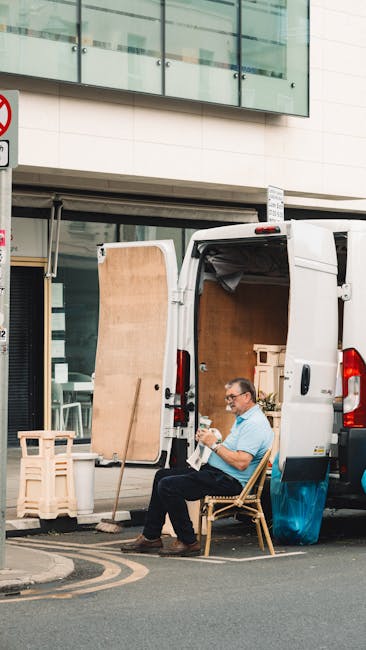
If you have ever tried to move a sofa, wardrobe, or even a stack of boxes down a tight Seven Kings street, you already know the real problem is not the lifting. It is the access. Narrow roads, parked cars, low walls, awkward bends, and front doors that seem to sit just a little too far from the kerb can turn a simple move into a stressful one. That is exactly where Seven Kings man and van narrow street access solutions make a difference: sensible planning, the right vehicle choice, and loading methods that fit the street, not the other way around.
This guide walks through what those solutions actually involve, why they matter, and how to make a local move smoother without unnecessary drama. You will also find practical steps, mistakes to avoid, and a realistic example of how a careful approach can save time, money, and a few grey hairs. Let's face it, nobody wants a van blocking half the road at 8:30 on a weekday morning.
Why Seven Kings man and van narrow street access solutions Matters
Seven Kings has the kind of street layout that rewards good planning and punishes guesswork. Some roads are simply not built for large vehicles sitting awkwardly at the kerb with doors open and trolleys out. Add in shared driveways, terraced houses, parked cars, school-run traffic, and the occasional overhanging hedge, and the access challenge becomes obvious very quickly.
For a man and van move, access is not a side issue. It shapes the whole job. If the vehicle cannot park close enough, loaders spend longer carrying items. If they cannot open the rear doors safely, loading gets slower. If the street is too tight for turning, the driver may need a second manoeuvre or a different stopping point. That means more handling, more risk, and often more time.
In practical terms, narrow street access solutions are about reducing friction. That might mean using a smaller removal van, arriving at a quieter time, planning the route in advance, or arranging a loading point a short walk away. Sometimes it also means simply being honest about the street conditions before the move day. A quick five-minute assessment can prevent a two-hour headache. It really can.
For local residents, this matters even more because Seven Kings moves are often done alongside everyday life: neighbours coming and going, bins out, cars tucked close together, and very little spare space. A move that respects the street is usually a move that goes better for everyone involved.
How Seven Kings man and van narrow street access solutions Works
The best access solution is not one single trick. It is usually a combination of vehicle choice, timing, packing style, and on-site coordination. A good mover looks at the street first, then decides how to approach the job. That sounds obvious, but plenty of problems happen because the vehicle is chosen before the access is understood.
Here is how the process usually works in a well-run local move:
- Assess the street - Check whether the road is one-way, narrow, busy, or heavily parked. Look at turning space, kerb access, and where the van could realistically stop.
- Choose the right van size - A medium-sized removal van may be easier to position than a larger vehicle, even if the load is manageable.
- Plan the loading point - If the front door is not accessible, the team may use a side gate, a rear entrance, or a nearby safe stopping point.
- Pack for shorter carries - Items should be boxed and labelled properly so repeated trips are quicker and safer.
- Protect the route - Floor coverings, blankets, straps, and dollies help reduce damage when items must be moved a little further.
- Coordinate timing - Off-peak arrival, staggered loading, or a timed slot can make a cramped street much easier to work with.
Sometimes a street looks impossible at first glance, then turns out to be manageable with a different angle and a smaller vehicle. Other times it is the opposite. You only know after a proper look, not by assumption. That is why local experience matters.
For larger moves, many people also compare service levels through pages like the services overview, especially if they need help balancing access, packing, and loading in one go.
Key Benefits and Practical Advantages
Good access planning does more than make the day easier. It changes the whole pace of the move. In a narrow-street setting, the benefits are very practical and very visible.
- Less carrying distance where possible, which reduces fatigue and the risk of bumps and scrapes.
- Faster loading and unloading because the team spends less time navigating obstacles.
- Lower chance of damage to furniture, walls, doorframes, and the van itself.
- Better street safety for pedestrians, neighbours, and passing traffic.
- More accurate time planning because the move is based on realistic access rather than best-case assumptions.
- Less stress for everyone - and honestly, that matters more than people admit before the day starts.
There is also a financial angle. A move that is easy to access tends to be more efficient, which can keep the job within the expected time window. If access is poor and nobody has accounted for it, the whole schedule can drift. That is why people often look at pricing and quotes early on, especially when the street is tight and the job needs a realistic estimate.
One small but important benefit is neighbour goodwill. A tidy, well-timed move with minimal blockage is simply less likely to cause friction. That is the sort of thing you feel on a residential street. Nobody likes a van sitting at an awkward angle while everybody else tries to squeeze past.
Who This Is For and When It Makes Sense
These solutions are useful for almost anyone moving in or out of a tight residential street, but they are especially helpful in a few common situations.
- Flat moves where the building is set back from the road or the street is too narrow for a large van to sit close to the entrance.
- House removals on terraced roads where parking is limited and the loading bay is effectively the kerbside.
- Student moves with smaller loads but awkward access, often near busy roads or shared homes.
- Furniture-only jobs such as sofas, wardrobes, beds, or dining sets that need careful handling through a tight entrance.
- Same-day moves where time is tight and the access plan has to be smart from the start.
- Office or small business relocations with boxes, desks, and equipment that cannot be left in the street for long.
This is also a good fit if you are dealing with something slightly awkward, like a piano, a bulky corner sofa, or a heavy cabinet that needs two people and enough space to turn. For example, if a large item is already giving you trouble on a tight road, it may be worth reading about bulky item removals and access planning for a sense of how specialists think about difficult loading conditions.
If you are not sure whether your move counts as a narrow-access job, the simplest test is this: would you be comfortable reversing a van into the street yourself while protecting parked cars, pedestrians, and your own front bumper? If the answer is "well... maybe not," then yes, access planning matters.
Step-by-Step Guidance
A tidy move on a narrow Seven Kings street usually comes from small decisions made early. Here is a practical sequence that works well.
- Measure the obvious bottlenecks
Check the street width, entrance width, and any tight corners. If there are large vehicles already parked nearby, factor that in too. - Take photos from outside and inside
Pictures of the road, pavement, front door, and any rear access can help the mover judge the job properly. A quick phone photo is enough. - Decide what must travel first
Heaviest or most awkward items should usually be loaded in a deliberate order, not shoved in wherever they fit. - Reduce loose items
Small bits and pieces slow everything down when access is tight. Put them in boxes or bags early. - Leave a clear path inside
It sounds obvious, but hallways can become cluttered fast. You want the route from room to door to be as direct as possible. - Confirm arrival timing
A few minutes can matter on a narrow street. Aim for a calmer window if you can, especially if school traffic or rush-hour parking is an issue. - Prepare for a short carry
Even with a well-placed van, the loader may need to walk items a little way. Good straps, trolleys, and blankets make that easier. - Keep communication simple
One person should guide the van in and one should manage the household side. Too many people giving directions tends to get messy. Quite quickly, actually.
If you are moving a whole home rather than a few items, pairing access planning with house removals support can make the entire process more manageable. For smaller or mixed loads, many people also find man with van services in Ilford a practical fit because they are flexible enough for short carries and awkward parking conditions.
Expert Tips for Better Results
Here are the sorts of small decisions that often separate a smooth move from a frustrating one.
- Book a van size that matches the street, not just the load. A slightly smaller vehicle can be far better than an oversized one that cannot position safely.
- Use a two-stage load plan. If the front access is poor, stage items near the doorway, then move them to the van in sequence.
- Keep large mirrors and glass upright and well padded. Narrow access means fewer chances to correct a mistake if something slips.
- Protect door edges and corners. A narrow passageway is where chips happen.
- Label boxes clearly. When the van is a little further away than ideal, you do not want to waste time hunting for the kettle box.
- Ask about carry distance before the quote is final. That tiny detail can change the real workload more than people expect.
To be fair, some moves look simple on paper and then the street tells a different story. That is why a local mover who knows the area can be worth their weight in cardboard boxes. They have seen the awkward corners, the parked vans, the "just one more" tight driveway. Not glamorous, but very real.
If you are moving from a flat or upstairs property, you may also want to compare with flat removal options because access challenges often stack up: stairs, shared entryways, and road restrictions all at once.
Common Mistakes to Avoid
Narrow street access problems are often predictable. That is the annoying part. Here are the common ones.
- Assuming a large van will "probably fit". Probably is not a plan.
- Ignoring parked cars. A street may be wide enough in theory and useless in practice once residents have parked up.
- Leaving packing to the last minute. Loose items slow the load and make awkward access even worse.
- Forgetting about turning space. Reversing out of a narrow road without a clear exit can be a real headache.
- Not warning the mover about obstacles. Steps, low railings, narrow gates, and long carries should be mentioned early.
- Booking around the load, not the access. A small, well-planned van can outperform a bigger vehicle every time in a tight street.
One more thing. Do not treat the street as if it is just a background detail. It is part of the job. If the road conditions are awkward, the removal plan must be built around them. Otherwise the team ends up improvising, and improvising with wardrobes is never ideal.
Tools, Resources and Recommendations
You do not need a huge amount of equipment for a narrow-access move, but the right tools help a lot. Even a small set of sensible items can make the difference between shuffling and smoothly moving.
| Tool or resource | Why it helps | Best use case |
|---|---|---|
| Furniture blankets | Protects items and walls during close-quarter manoeuvres | Sofas, drawers, bed frames, tables |
| Ratchet straps | Keeps loads stable during shorter, stop-start loading | Mixed household loads and heavier items |
| Dolly or sack truck | Reduces carrying strain on short but awkward routes | Boxes, white goods, small furniture |
| Floor protection | Helps prevent scuffs in hallways and entrances | Flats, maisonettes, and shared entrances |
| Room labels | Makes unloading faster when access is limited | House moves and office moves alike |
In practical terms, packing support often matters just as much as the van itself. If boxes are stacked properly and fragile things are grouped sensibly, the access challenge becomes far easier to manage. Services such as packing and boxes help can be a real timesaver if you want the move organised rather than frantic.
For people who are comparing flexible transport options, removal van options and broader removal services can offer a better fit than trying to force a standard vehicle into a street that simply does not want it.
Law, Compliance, Standards, or Best Practice
When a van is operating on a narrow residential road, the key issue is not usually a complex legal one. It is common-sense compliance, safe road use, and consideration for others. In the UK, drivers must still park safely, avoid blocking access unnecessarily, and take reasonable care around pedestrians and other vehicles. If a move needs a permit, loading restriction awareness, or particular parking arrangements, that should be checked in advance rather than guessed on the day.
Best practice also means protecting property and working safely. That includes avoiding unstable loading, keeping walkways clear where possible, using suitable lifting technique, and not forcing items through spaces that are clearly too tight. If the job feels borderline, it is usually better to adjust the plan than to gamble with the outcome.
For some local moves, it is sensible to think about permits and council-related parking rules early. A helpful place to understand the kinds of issues that can come up is the guide to removals permits and local move planning. It is not about overcomplicating things. It is about avoiding a last-minute surprise that could have been handled calmly the day before.
Insurance matters too. If items are valuable, awkward, or fragile, confirm the level of cover and what the service includes. Likewise, clear terms and expectations reduce misunderstandings. A good move is not just physically safe; it is transparent, documented, and professionally managed.
Options, Methods, or Comparison Table
There is more than one way to approach a narrow-street move. The right method depends on the item mix, the street, and how much time you have.
| Method | Best for | Pros | Trade-offs |
|---|---|---|---|
| Small van with close kerb access | Compact moves, light furniture, fast turnaround | Easier to park, quicker loading, less street pressure | Less capacity if the load grows |
| Medium van with short carry | Mixed household loads in a tight street | Good balance of space and manoeuvrability | May require more walking from the front door |
| Staged loading from inside to roadside | Properties with limited frontage space | Efficient for awkward entrances and shared areas | Needs more coordination and clear boxing |
| Timed off-peak move | Busy streets or school-run locations | Less congestion, easier manoeuvring | Requires flexible scheduling |
| Specialist support for bulky items | Pianos, large cabinets, fragile heavy items | Safer handling, better protection | Usually needs more planning |
If you are moving a difficult item rather than a full house, it may help to look at furniture removals or even piano removals depending on what needs moving. Different objects create different access problems, and the right method should match the object, not just the postcode.
Case Study or Real-World Example
Here is a realistic example based on the kind of job people often face in Seven Kings.
A couple moving out of a first-floor flat had a narrow terraced street with parked cars on both sides. The front of the property was just about wide enough for a van to stop, but not enough for a large vehicle to sit comfortably with full rear access. Rather than forcing the issue, the move was planned around a medium-sized van and a short carry from a safer stopping point a little further down the road.
The team boxed the smaller items first, protected the stairwell, and loaded the heavier furniture in a deliberate order. A sofa came out with blankets and straps, followed by boxed kitchen items and then the bedroom furniture. The whole job was not complicated, but it was tightly managed. That is the point. The street did not become easier; the plan did.
What made the biggest difference? Three things:
- The movers knew the road was narrow before arrival.
- The packing was ready, so the team was not hunting for loose items.
- The van choice matched the access, not just the amount of furniture.
By the end, there was no frantic reshuffling on the pavement, no awkward standoff with parked cars, and no one had to stand around wondering what to do next. A bit boring, perhaps. But boring is good on moving day.
For similar local situations, many people also compare their move with same-day removals if timing is tight, or with general removals support if the move is larger and needs broader coordination.
Practical Checklist
Use this checklist before the van arrives. It keeps the day calmer, and calmer is usually faster.
- Measure the street and note any obvious pinch points.
- Take photos of the road, entrance, steps, gate, and parking conditions.
- Confirm whether there is rear access, side access, or only front access.
- Tell the mover about parked vehicles, low walls, and any weighty items.
- Pack boxes tightly so they are stackable.
- Label fragile items clearly and keep them separate.
- Clear hallways and doorways before the team arrives.
- Check whether a permit, timed access, or alternative parking plan may be needed.
- Keep keys, documents, and small valuables in one safe bag.
- Confirm the van size and estimated carry distance in advance.
Expert summary: narrow street moves are won by planning, not by force. If the vehicle, packing, and timing all suit the street, the whole job feels easier, safer, and more predictable.
Conclusion
Seven Kings street access can be awkward, but awkward does not mean difficult beyond reason. With the right planning, a suitable van, and a calm loading strategy, even a tight road can be handled efficiently. The real trick is to work with the street instead of fighting it.
Whether you are moving a few items, an entire flat, or something bulky and awkward, the same principle applies: understand the access early, choose the right approach, and keep the process practical. That is how you reduce delays, avoid damage, and make the day feel manageable rather than chaotic.
If you are comparing move options or want help matching your property access to the right service, the next step is simple: review the service details, think through the street conditions, and speak to a local team that understands these roads properly. It is a small bit of preparation, but it pays off. Usually more than people expect.
Get a free quote today and see how much you can save.
And if your move is happening on a narrow street in Seven Kings, take a breath first. A careful plan goes a long way, and a good move should leave you feeling relieved, not wrung out.
Frequently Asked Questions
What are Seven Kings man and van narrow street access solutions?
They are practical moving methods designed to handle tight roads, limited parking, awkward turning space, and short loading distances in Seven Kings. The idea is to match the van, timing, and loading plan to the street conditions so the move stays safe and efficient.
How do I know if my street is too narrow for a van?
If parked cars already make the road tight, if turning around is difficult, or if you would struggle to stop near the property without blocking access, the street is likely narrow enough to need a tailored plan. Photos and a quick access check usually tell the story fast enough.
Should I book a smaller van for a narrow street?
Often, yes. A slightly smaller van can be easier to position and safer to load in a tight street. It is not always about capacity first; sometimes manoeuvrability matters more. That said, the right size depends on the load and the access.
Can a man and van service handle a short carry from the road?
Yes, most can, provided the carry distance is understood in advance. A short walk from the van to the property is common in narrow streets. The key is to pack and plan for it rather than treating it like a surprise on moving day.
Do narrow street moves take longer?
They can, especially if access is very restricted or parking is busy. But with good planning, the delay can be kept small. In many cases the extra time comes from poor preparation, not the street itself.
What should I tell the mover before the job?
Tell them about street width, parking pressure, any low gates or steps, the number of floors, bulky items, and whether there is rear or side access. A few clear details are worth more than a vague "it should be fine."
Are narrow street removals more expensive?
Sometimes they can be, if the job takes longer or needs more handling. But that is not automatic. Some narrow access jobs are very efficient once the route and van size are chosen properly. For a clearer idea, many people start with a quote and discuss the access openly.
What happens if the van cannot park right outside?
The team may use a safe nearby stopping point and carry items the rest of the way. That is common in tight residential streets. The important part is keeping the route safe and avoiding awkward or illegal stopping positions.
Do I need a permit for a narrow street move?
Not always, but sometimes parking or loading arrangements do need checking depending on the street and local restrictions. It is sensible to confirm this in advance, especially if the road is busy or has controlled parking. A little checking can save a lot of stress later.
What is the best time of day for a narrow access move?
Usually a quieter time is best, when parking pressure and traffic are lower. Mid-morning or early afternoon may work better than school-run or rush-hour periods, though the best slot depends on the exact road and local conditions.
Can narrow street access solutions work for furniture removals too?
Absolutely. In fact, furniture removals often benefit the most from careful access planning because larger items are the ones most likely to snag on doors, corners, or a tight kerbside position. Sofas and wardrobes are not known for being forgiving, unfortunately.
What is the simplest way to prepare for a difficult street?
Take photos, clear your packing, confirm the van size, and give the mover honest details about access. Simple, but effective. If the team knows what they are dealing with, they can plan the move properly from the start.