Crane access Cranbrook Road Ilford bulky item removals
Posted on 26/06/2026

Crane access Cranbrook Road Ilford bulky item removals: a practical local guide
If you need Crane access Cranbrook Road Ilford bulky item removals, you are probably dealing with one of those jobs that looks simple from the pavement and then turns into a headache the moment you measure the hallway. A sofa that will not bend. A wardrobe that will not turn. A bulky item sitting three floors up, with awkward access and not much room for manoeuvre. It happens more often than people think, especially on busy roads where parking, loading space, and building access all matter.
This guide explains what crane access actually means in a removals context, when it is worth considering on Cranbrook Road in Ilford, how the process usually works, and what to check before you book. I will also cover the practical risks, common mistakes, and a simple checklist you can use to avoid a costly false start. Truth be told, the difference between a smooth bulky item removal and a stressful one is usually made long before the van arrives.
Why Crane access Cranbrook Road Ilford bulky item removals Matters
Cranbrook Road sits in a part of Ilford where access can be tight, traffic can be stop-start, and loading space is often at a premium. That matters a great deal when you are moving one oversized item or a few heavy pieces. A crane or lift-assisted removal is not just about looking professional. It is about getting the item out safely without damaging the property, the item, the pavement, or the people doing the lifting.
Bulky items are awkward by nature. Think of things like large wardrobes, American-style fridges, heavy dining tables, garden furniture, sofa beds, exercise machines, or a piano. Some can be dismantled. Some cannot. Some fit through a doorway on paper, but not in real life once you hit a narrow landing or a sharp stair turn. That is where crane access, or more broadly lift-assisted access planning, becomes valuable.
On a road like Cranbrook Road, there is also the simple question of logistics. Can a van stop close enough? Is there safe space for the crew to work? Will the route from the property to the vehicle be clear? If the answer to any of these is "not really", then it is better to plan the move properly than to improvise on the day.
Expert summary: If an item is heavy, awkward, valuable, or impossible to move through internal access, a crane or lift-based plan can reduce risk, save time, and prevent property damage. The key is to assess access early, not after the crew has already arrived.
If you are still working out what kind of moving support you need, it can help to compare the broader options first. The services overview gives a useful starting point, and if your move is part of a larger house move, the page for house removals in Ilford can help you understand how these jobs are usually planned. For furniture-heavy moves, the dedicated furniture removals Ilford page is also worth a look.
How Crane access Cranbrook Road Ilford bulky item removals Works
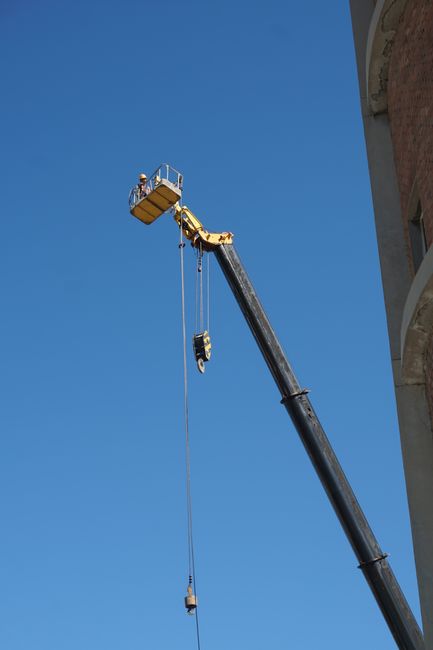
In simple terms, crane access removals use lifting equipment or elevated handling methods to move an item that cannot be taken safely through a normal route. That might mean a window lift, a balcony lift, a hoist, or another controlled loading method depending on the building and the item. The exact setup depends on access, weight, shape, and the risk assessment for the location.
The process usually starts with a site check or a very detailed conversation. Someone needs to know the item dimensions, the floor level, the type of property, the width of access points, and whether there is room for a vehicle to set up. Without that information, any promise is a bit of a gamble. And nobody wants a gamble with a three-metre wardrobe hanging in the air.
Here is the basic flow most sensible removals teams follow:
- Assess the item - size, weight, fragility, and whether it can be dismantled.
- Check the property access - stairs, lifts, balconies, windows, corners, railings, and vehicle approach.
- Plan the lift - decide whether the item will go out by internal route, external lift, or crane-assisted method.
- Protect the area - floor covers, padding, edge protection, and clear walkways.
- Coordinate timing - especially if traffic, neighbours, or parking restrictions affect the job.
- Move and secure the item - with trained handling, proper strapping, and careful loading.
That planning step is everything. The lifting itself is often the quickest part. Before that, there may be permission checks, access considerations, and timing constraints. If the move is urgent, same day removals in Ilford may be more relevant, although urgent jobs still need realistic access planning. Fast does not mean careless.
For some situations, a straightforward van and skilled lifting crew is enough. In others, the right choice may be a smaller access vehicle, extra hands, or temporary storage before final delivery. If you are weighing that up, removal van Ilford and man with a van Ilford pages can help you understand the kind of support that suits lighter or less complex jobs.
Key Benefits and Practical Advantages
The biggest advantage of proper crane access planning is simple: it reduces risk. That sounds obvious, but in removals it makes a huge difference. If an item is forced through a tight staircase, you are not just risking a scuffed wall. You could damage the item, injure the crew, or get stuck halfway down a landing with no easy way back. Not ideal, to put it mildly.
There are several practical benefits worth noting:
- Safer handling - less carrying through tight internal spaces means fewer chances of slips, twists, or drops.
- Lower property damage risk - halls, bannisters, and door frames stay protected.
- Better for bulky or fragile items - some items are structurally awkward and much safer when moved externally.
- Faster execution once planned - when the access method is right, the actual move can be surprisingly efficient.
- Less disruption to neighbours - shorter carry routes and less stair traffic can keep things calmer in shared buildings.
There is also a psychological benefit, if that is the right word. Once the access plan is sorted, the whole job feels less messy. You know where the item is going, who is doing what, and whether any extra help is needed. That certainty matters on busy streets like Cranbrook Road, where the day can otherwise feel a bit reactive.
If the item is part of a wider property clear-out, it may be helpful to combine the job with removals in Ilford or even flat removals Ilford support if you are moving from a smaller upper-floor property. For larger collections of old furniture, you can also read about recycling and sustainability to understand how responsible disposal is usually approached.
Who This Is For and When It Makes Sense
Crane access is not needed for every bulky item removal. In fact, most jobs do not require it. But it becomes a strong option when the internal route is too narrow, too steep, too fragile, or too risky. It is especially useful where the item must be removed intact and there is no practical way to dismantle it.
This approach often makes sense for:
- Homeowners selling or clearing a property before completion
- Landlords dealing with left-behind heavy furniture
- Tenants removing large items from upper-floor flats
- Families replacing oversized furniture or appliances
- Offices moving bulky equipment out of awkward buildings
- Anyone with a stairwell, hallway, or turn that simply makes manual movement unrealistic
It can also be the sensible option when the item itself is valuable or sentimental. I am thinking of the sort of job where a family has kept a heavy dining table for years, or an old piano that is more than just furniture. Those jobs are often emotionally loaded as well as physically difficult. A careful lift plan can make the day feel a lot less stressful.
For students or short-term renters, the problem is often different: a bulky mattress, desk, wardrobe, or sofa in a small block with no lift and limited parking. In those cases, student removals in Ilford may be the more relevant service. And if the move is tied to a larger family property change, you may also find the article on buying property wisely in Ilford useful as background reading.
Step-by-Step Guidance
Here is the practical route I would recommend if you are arranging a bulky item removal with possible crane access on Cranbrook Road.
1. Measure everything carefully
Measure the item, but also measure the route. Door width, hallway width, stair width, landing space, and any tight corners matter. A tape measure is boring, yes, but it is the most useful tool in the whole process.
2. Take clear photos
Photos should show the item from several angles and the access route. Include staircases, windows, railings, and the outside view if the item may need to go out externally. Good photos save time and remove guesswork.
3. Be honest about obstacles
Tell the removals team if there are parking issues, awkward neighbours, restricted hours, or anything else that could affect access. A forgotten detail on a Monday morning can become a messy problem by lunchtime.
4. Ask whether dismantling is possible
Sometimes the item can be broken down into manageable sections. That may remove the need for crane access altogether. Other times, dismantling weakens the item or creates more risk. The right answer depends on the item, not wishful thinking.
5. Confirm the access method
Do not assume a crane is automatically the best option. A lift, hoist, controlled carry, or two-person removal may be enough. The goal is not to use the most dramatic method. It is to use the safest one.
6. Check timing and parking
On a busy road, small timing errors can make a big difference. If a vehicle cannot stop safely, even for a short time, the whole job slows down. That is why some moves on Cranbrook Road need extra coordination or a staged arrival.
7. Prepare the space
Clear the room, protect floors, and move anything breakable out of the way. A tidy route helps the crew work properly and reduces the chance of accidental knocks.
8. Stay reachable on the day
If the team needs a quick decision, someone should be available. That can be the homeowner, tenant, property manager, or office contact. Waiting 20 minutes for approval because no one can be reached is, honestly, a classic delay.
Expert Tips for Better Results
After enough removals work, a few patterns become obvious. The best jobs are rarely the ones with the fanciest kit. They are the ones where the planning is calm and realistic.
- Keep one person responsible for decisions. Too many voices slow the job down and cause confusion.
- Use accurate weights and dimensions where possible. A "big sofa" is not enough. Try to be precise.
- Think about the weather. Wet paths, wind, and poor visibility can affect external lifting more than people expect.
- Protect neighbours as well as the item. Shared hallways, doorways, and common areas need care.
- Plan for the awkward second step. The item may be easy to remove, but where is it going next?
One thing people often overlook is the final positioning at the destination. It is easy to focus on getting the item out of the source property and forget the receiving end. If the item is going into storage, a new flat, or a house with a tight entrance, the same access logic applies again. For temporary holding, storage in Ilford can be a useful bridge.
Another useful tip: if you are unsure whether the item will fit through a normal route, do a mock measurement with cardboard or tape. It sounds a bit low-tech, but it works. A quick physical comparison often reveals more than a dozen assumptions. And assumptions, in removals, are expensive little things.
If you are comparing providers, the page on removal companies in Ilford may help you think through what a good service should include. A solid company should be clear about access, handling, protection, and what happens if the plan changes on the day.
Common Mistakes to Avoid
Most problems with bulky item removals are avoidable. They tend to come from poor preparation, not bad luck.
- Guessing the size of the item - "It should fit" is not a measurement.
- Ignoring access restrictions - height limits, narrow driveways, and parking controls can stop the job before it starts.
- Failing to check internal turning space - a straight hallway is one thing; a tight stair bend is another.
- Leaving packing until the last minute - loose parts and missing fixings create delays.
- Not mentioning fragile surfaces - glass, veneer, and polished finishes need a different approach.
- Booking the wrong type of vehicle - oversized or undersized access can both create trouble.
People also underestimate how much the local environment matters. On a road like Cranbrook Road, the issue may not be the item itself. It may be the lack of stopping space, traffic flow, or pressure on shared access. That is why the best answer is not "what van do you have?" but "what exactly is the access like?"
There is another classic mistake: not asking about liability or insurance. If something valuable is being lifted externally, you want clarity around protection and procedures. The page on insurance and safety is useful for understanding the sort of reassurance you should expect from a professional mover. If you want to know how pricing usually works too, pricing and quotes is worth reading before you commit.
Tools, Resources and Recommendations
You do not need specialist knowledge to prepare well, but a few basic tools make the job smoother.
- Tape measure - for the item and the access route.
- Phone camera - to send clear access photos.
- Protective covers or blankets - especially for furniture and polished surfaces.
- Labels or bags for fixings - screws, handles, shelves, and brackets should be kept together.
- Clear floor protection - useful for shared hallways and freshly cleaned areas.
- Booking notes - a simple written summary of dimensions, floors, parking, and access issues.
For packing-related support, you may also want to look at packing and boxes in Ilford and the closely related package and boxes Ilford page. The wording is a little unusual, but the practical point is the same: good packing reduces handling risk and keeps small parts together.
If the bulky item is part of a larger mixed move, a general removal services Ilford approach can be better than hiring for one item only. And if the move is connected to a broader transition, perhaps a sale or a new tenancy, you may want to keep the process aligned with the details in selling homes in Ilford or the reflective local guide is Ilford the right place for you.
Law, Compliance, Standards, or Best Practice
For bulky item removals, the main compliance issues are usually about safe handling, traffic and parking awareness, and avoiding damage or obstruction. The exact legal obligations can vary depending on the property, the street, and the access method used, so it is sensible to treat every job on its own facts.
In practical terms, good best practice usually includes:
- Proper risk assessment before lifting or moving an awkward item
- Clear communication about weight, size, and access constraints
- Safe manual handling techniques
- Attention to public safety if the item is moved externally
- Responsible disposal or reuse where appropriate
That last point is easy to forget. If a bulky item is being removed because it is no longer wanted, it still needs a sensible end-of-life plan. Reuse, recycling, and lawful disposal should be considered early, not as an afterthought. The page on recycling and sustainability covers this mindset well.
For local moving jobs, parking and access can also become a practical compliance issue. If you are dealing with controlled street access, it helps to understand local permit expectations and timing. The article on Redbridge Council removals permits for Ilford moves is useful background, especially if your bulky item needs roadside loading space. No need to overcomplicate it, but do not wing it either.
Professional crews should also be transparent about how they handle safety and customer concerns. If you are comparing providers, it is worth looking at the company background via about us and the wider commitment laid out in health and safety policy. Those pages help build trust, which matters when a heavy item is being lifted around your home.

Options, Methods, or Comparison Table
Different access methods suit different situations. Here is a straightforward comparison.
| Method | Best for | Pros | Watch-outs |
|---|---|---|---|
| Manual carry through internal route | Items that fit safely through doors, stairs, and turns | Simple, usually fastest, minimal equipment | Can be risky if measurements are wrong |
| Dismantling and reassembly | Furniture that can be broken down safely | Often cheaper than lifting externally | Not suitable for all items, may weaken some pieces |
| Lift-assisted or crane access | Large items that cannot pass through internal access | Reduces damage risk, solves difficult access problems | Needs planning, space, and sometimes permissions |
| Temporary storage first | When delivery or access at the destination is not ready | Buys time and avoids rushed decisions | Extra handling and extra cost |
In many cases, the best answer is a hybrid one. A bulky item may be dismantled, partially protected, moved with extra hands, and then stored or delivered later. That is not overengineering. That is just good planning.
For lighter jobs or smaller properties, a more flexible approach may be enough. Pages like man with van Ilford and man and van Ilford are useful if you are trying to decide whether a full removals setup is overkill. Sometimes it is. Sometimes it really is not.
Case Study or Real-World Example
Here is a realistic example based on the sort of situation that comes up often in Ilford. A resident on Cranbrook Road needs to remove a large sectional sofa and a heavy wardrobe from an upper-floor flat. The sofa will not turn on the landing, and the wardrobe is too tall for the stairwell even if tilted. There is limited parking at the front, and the building has shared access.
At first, the obvious answer seems to be "just get it out somehow". But that is exactly when problems start. A quick site assessment shows that internal movement would risk damage to the stairwell and the item. The wardrobe can be dismantled, but the sofa cannot be broken down without damaging the frame. So the team agrees on a lift-assisted solution for the sofa, dismantles the wardrobe, and stages the loading carefully so the pavement stays clear.
The job is not dramatic. No helicopters. No chaos. Just a calm sequence of steps, a few protective covers, and a clear plan. The resident gets the space cleared, the building stays intact, and everyone avoids the classic "halfway through the staircase" moment. Which, let's be honest, nobody wants.
That kind of thinking is especially helpful when a bulky item removal sits alongside a larger move. For example, if you are clearing a property before a sale, it may be worth reading how to buy property wisely in Ilford or a journey through Ilford to get a better sense of local moving context. It all connects in the end.
Practical Checklist
Use this checklist before you book:
- Measure the item accurately, including height, width, and depth
- Measure doors, stair turns, hallways, and landing space
- Take photos of the item and access route
- Confirm whether the item can be dismantled safely
- Note any parking, loading, or height restrictions on Cranbrook Road
- Tell the removals team about fragile surfaces or awkward shapes
- Ask whether a crane, hoist, or standard carry is most suitable
- Check if storage will be needed at either end
- Ask how the item will be protected during the move
- Confirm timings, access contact details, and any building rules
Quick takeaway: If you can describe the route clearly, you are already halfway to a better removals quote. Access details are not admin clutter; they are the job.
And if you want to keep the process smooth from the start, it helps to compare service information with the practical pages on removal companies Ilford and removals Ilford. That gives you a broader view before you decide what is actually needed.
Conclusion
Crane access for bulky item removals on Cranbrook Road in Ilford is not about making the job complicated. It is about making a difficult job safe, controlled, and realistic. When the item is too large for the stairs, too valuable to risk, or too awkward for ordinary handling, a lift-based plan can save time and prevent damage. More importantly, it takes a lot of pressure off you on the day.
The smart approach is always the same: measure properly, photograph the access, be upfront about restrictions, and choose the method that fits the item rather than forcing the item to fit the method. That is the difference between a move that runs smoothly and one that leaves everyone muttering in the hallway.
If your bulky item removal is tied to a wider move, or if you simply want to compare options before booking, start with the most relevant service information and ask clear questions. Calm preparation beats last-minute scrambling every time. And yes, even on a busy road, it can be a lot less stressful than it sounds.
Get a free quote today and see how much you can save.
When the access plan is right, the whole day feels lighter. That is usually the bit people remember most.